
Selecting the right camp cookware sets ensures you prepare delicious meals efficiently while enjoying the great outdoors with your friends and family.
Read More
To choose the best camp cookware sets, prioritize material durability and your group size. Aluminum offers lightweight heat efficiency, while stainless steel provides rugged longevity. Always select a nesting design to save space in your pack and ensure the handle system allows for safe, stable cooking over your specific stove.
Which Metal Is Best For Outdoor Cooking
Choosing the right metal for your pots and pans changes how you manage heat over an open flame or stove. Aluminum remains a popular choice because it conducts heat quickly and evenly, allowing for rapid boiling of water or cooking of simple meals. However, it can be soft and prone to denting if handled roughly during transport. Stainless steel offers superior durability and resistance to scratches, making it an excellent long term investment for frequent campers. While it is heavier than aluminum, it holds heat well and is easy to clean after a messy dinner. Some campers prefer hard anodized aluminum which provides a scratch resistant surface and improved heat distribution. Consider the weight you are willing to carry when choosing between these two metals for your backcountry journeys or car camping trips.
Hard Anodized Aluminum Vs Stainless Steel
When comparing hard anodized aluminum and stainless steel, consider the balance between weight and ruggedness. Hard anodized aluminum undergoes an electrochemical process that creates a durable, nonstick like surface without the need for chemical coatings. It is lightweight, which appeals to backpackers who need to keep their total pack weight low. Stainless steel is much tougher and handles high heat without warping, but the extra weight makes it better suited for base camp setups where mobility is less of a concern. Stainless steel is also non reactive, meaning it will not alter the flavor of acidic foods like tomato sauce. If your menu involves complex cooking techniques, stainless steel offers a reliable performance. For those who prioritize speed and efficiency in the morning, the lighter weight of anodized aluminum is often the preferred choice.
How Many Pieces Do You Need In A Set
The number of pieces in a set depends heavily on your group size and the complexity of your planned meals. A solo hiker might only need a single pot and a lid that doubles as a frying pan. For families or larger groups, a comprehensive set containing multiple pots, lids, and nesting bowls is more practical. Think about the menu you intend to prepare before committing to a large, multi piece kit that takes up valuable space. Many sets are designed to nest inside one another, which saves room in your storage bins or backpacks. Evaluate whether you need extra plates or mugs included, or if you prefer to build your own custom collection. Avoid carrying unnecessary items that add bulk to your gear load without providing a clear benefit to your daily routine.
Are Nonstick Coatings Worth The Weight
Nonstick coatings provide a significant advantage when you are responsible for cleaning up after a group meal. These surfaces allow you to cook eggs, pancakes, and other sticky foods with minimal oil and very little scrubbing. While the coating adds a layer of convenience, it requires careful handling to avoid scratches from metal utensils. Always use silicone or wooden tools to preserve the integrity of the nonstick surface. If you choose a nonstick set, consider the long term maintenance required to keep it functional. For those who prefer a more rustic approach, natural metal surfaces offer a lifetime of use without the risk of flaking or degrading. Balancing the ease of cleanup against the need for gentle handling is the primary consideration when deciding if a nonstick coating fits your personal camping style.
Which Pot Shape Is Best For Packing
The shape of your cookware determines how well it fits into your existing gear storage. Round pots are the standard for most camping sets because they distribute heat evenly over circular stove burners. However, square or rectangular pots can sometimes be more efficient for packing into tight corners of a storage bin or a backpack. Consider the height and diameter of your pots to ensure they nest properly with your fuel canisters and stove. A tall, narrow pot is often more efficient for boiling water as it concentrates the heat source at the base. A wider, shallower pot is better for frying or simmering thicker stews. Always check the listing for the exact dimensions of the nested set to ensure it fits the storage space you have allocated in your vehicle or pack.
How To Choose A Pot Handle Design
Handle design is a critical factor for both safety and convenience when moving hot pots off the stove. Some sets feature integrated folding handles that stay cool to the touch and lock into place for stability. Others utilize a detachable gripper tool, which allows you to use one handle for multiple different pots, saving weight and reducing clutter. If you choose a set with a detachable gripper, ensure it provides a secure, non slip grip to prevent accidental spills. Fixed handles are often more stable but can make packing more difficult due to their protrusion. Test the locking mechanism of any handle system to confirm it feels solid and reliable under the weight of a full pot. A well designed handle should offer comfort and control, allowing you to pour boiling water with confidence.
Is A Kettle Necessary For Your Kit
A dedicated kettle is a luxury item that can improve your morning routine if you are a frequent coffee or tea drinker. Many camp cookware sets include a small, lightweight kettle designed to nest within the larger pots. Using a dedicated kettle allows you to boil water for beverages without transferring any residual flavors from your dinner preparation. If you prefer to keep your kit minimal, consider using your primary pot for boiling water instead. Many campers find that a multipurpose pot works perfectly fine for all their needs, saving space and weight. Evaluate how often you actually boil water versus how much you value the convenience of a separate vessel. If you decide to add a kettle, ensure it is compatible with your stove type and fits securely within your packed cooking system.
How To Maintain Your Cookware Sets
Proper maintenance extends the life of your cookware and ensures your meals taste fresh every time. After each use, wash your pots with mild soap and warm water, avoiding harsh scouring pads that can damage nonstick surfaces or leave deep scratches on bare metal. Dry your cookware thoroughly before nesting to prevent moisture buildup and potential corrosion, especially with stainless steel. If you are camping for an extended period, carry a small, lightweight cleaning cloth and a travel size soap bottle. For stubborn food remnants, soak the pot briefly before attempting to clean it to avoid excessive scrubbing. Keeping your gear clean and dry is the best way to ensure it remains in good condition for many seasons. Always check the listing for specific care instructions provided for your chosen material type.
Products To Compare
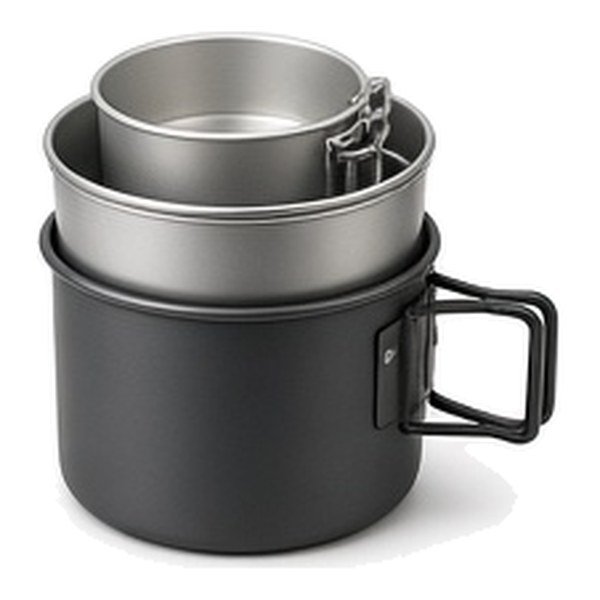
Camp Cookware Sets
Check the wall thickness and the handle locking mechanism for stability.
COMPARE OPTIONS
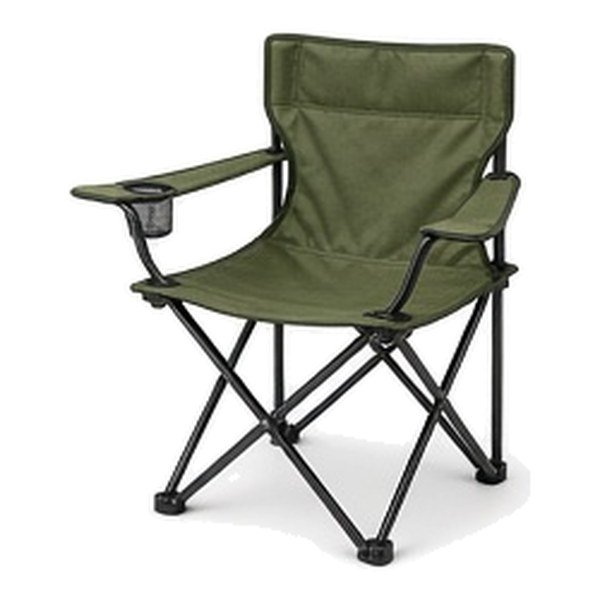
Camping Chairs
Compare the listed size, the build and what is included with these camping chairs.
COMPARE OPTIONS
Before Choosing
- Verify the material type matches your heat source.
- Ensure all pieces nest together for easy storage.
- Check the handle mechanism for secure operation.
- Confirm the total weight fits your travel needs.
Questions Shoppers Ask
How Do You Clean Pots In The Wild?
Use a small amount of biodegradable soap and a soft cloth to clean your pots. Always rinse them away from water sources to protect the environment. Dry the cookware completely before packing it to prevent any lingering moisture or odors from affecting your gear.
Can You Use Home Cookware Camping?
Standard home cookware is often too heavy and bulky for outdoor use. Camping specific pots are designed to nest together and are often made from lighter materials. They also feature specialized handles that work better with portable stoves compared to traditional heavy kitchen pans.
Which Material Lasts The Longest?
Stainless steel is widely considered the most durable material for outdoor cookware. It resists dents, scratches, and high heat better than aluminum or titanium. While it weighs more, it will likely provide many years of reliable service for your frequent camping trips.
Do You Need A Lid For Every Pot?
A lid is highly recommended as it traps heat, reducing fuel consumption and speeding up your boiling time. Many sets include universal lids that fit multiple pots within the kit. Using a lid also helps keep debris and insects out of your food.
Is Titanium Better Than Aluminum?
Titanium is significantly lighter and stronger than aluminum, but it does not conduct heat as evenly. It is ideal for boiling water quickly during solo trips. Aluminum remains a better choice for those who enjoy cooking complex meals that require precise heat control.
How Should You Pack Your Cookware?
Nest your pots inside each other with a soft cloth between them to prevent scratching. Store your stove and fuel canister inside the innermost pot if the dimensions allow. Keeping your kitchen gear in a dedicated storage bag helps organize your equipment.