
Mastering the Camping Hammocks Setup Checklist ensures you enjoy a comfortable night under the stars while keeping your gear organized and secure in any environment.
Read More
To set up a camping hammock, find two sturdy trees spaced twelve to fifteen feet apart. Attach your straps at head height, then clip on your hammock. Adjust the tension until the straps form a thirty degree angle. Finally, add your underquilt and tarp to ensure you stay warm and dry.
How To Choose The Best Trees For Hanging Your Hammock
Selecting the right anchor points is the foundation of a successful sleep system. You must look for two healthy trees that are at least six inches in diameter. Avoid dead trees or those with visible damage, as they cannot support the weight of a person safely. The distance between your chosen trees should be roughly twelve to fifteen feet apart. This spacing allows the suspension straps to form the proper angle for a comfortable sag. Always inspect the area above your chosen spot for hanging branches that might fall during the night. Clear the ground below the hammock of sharp rocks or debris to protect your gear. Check the bark integrity before wrapping your straps around the trunk. Proper site selection prevents damage to the environment and ensures your sleep system remains stable throughout the night.
Which Suspension Straps Are Best For Tree Protection
Using wide webbing straps is the standard approach for protecting tree bark while securing your hammock. Narrow ropes or cords can cut into the bark over time, which harms the tree. Look for polyester webbing that offers minimal stretch to keep your hammock at the desired height. Many modern systems include daisy chain loops that allow for quick adjustments without tying complex knots. Consider the length of the straps, as longer options provide more versatility when dealing with trees of different widths or larger gaps. Check the listing for reinforced stitching at the connection points to ensure durability under tension. Keep your suspension hardware clean and free of grit to prevent wear on the fabric. Proper strap management makes the setup process faster and more efficient when you arrive at your campsite.
How To Determine The Ideal Hammock Sag Angle
The angle of your suspension plays a major role in how flat you lie while resting. A common target is a thirty degree angle from the tree to the strap. If the hammock is too tight, it will feel like a banana and create pressure points. If it is too loose, you might end up touching the ground or feeling unstable. Use your hand as a guide by pointing your thumb up and your index finger toward the tree. The suspension line should roughly follow the line of your index finger. Adjusting the buckle or moving the strap up the tree trunk allows you to fine tune this angle until the fabric feels supportive. A slight diagonal lay inside the hammock helps you achieve a flatter position for better comfort during the night.
Why Use A Tarp Versus A Rain Fly
Weather protection is essential for a complete sleep system. A tarp provides a wide coverage area that shields your hammock from rain and wind. When selecting a tarp, consider the shape, as rectangular or hexagonal designs offer different levels of ventilation and coverage. The attachment points on the tarp should be reinforced to handle wind loads without tearing the fabric. Use high quality guy lines to stake out the corners securely. Some campers prefer a dedicated rain fly that clips directly to the hammock suspension for a streamlined setup. Consider the weight and pack size of the tarp material when planning your gear. A well positioned tarp keeps your sleeping bag dry and creates a private space where you can store your boots and other items away from the elements.
How To Organize Your Underquilt And Insulation
Staying warm requires proper insulation beneath your body. Since the fabric of a hammock compresses your sleeping bag, it loses its ability to trap heat. An underquilt hangs underneath the hammock to provide a layer of loft that protects you from the wind. Ensure the underquilt is sized correctly for your hammock length to prevent cold gaps. Use adjustable shock cords to pull the quilt snugly against the bottom of the hammock without creating too much tension. This creates a sealed pocket of warm air that remains consistent throughout the night. If you use a sleeping bag, ensure it is loose enough to allow for movement inside the hammock. Proper layering of your insulation is the key to extending your camping season into the cooler months of the year.
What Is The Best Way To Use A Structural Ridgeline
A structural ridgeline is a fixed length cord that runs between the two ends of your hammock. It ensures that the sag remains consistent every time you set up, regardless of how you adjust your suspension straps. This provides a reliable amount of space and keeps the hammock shape predictable. You can use the ridgeline to hang small items like a headlamp or a gear organizer. It also helps in setting up a bug net, as the net can drape over the line to provide more headroom. When choosing a ridgeline, look for low stretch materials that will not deform over time. A properly installed ridgeline simplifies your setup process and provides a consistent sleeping experience, allowing you to focus on relaxing rather than fiddling with tension adjustments.
How To Manage Your Gear Storage While Camping
Keeping your equipment organized helps you manage a small space effectively. Use a gear sling that attaches to the suspension near the head end of your hammock. This keeps your essential items within reach without cluttering your sleeping area. If you have a backpack, consider using a ground sheet or a small waterproof cover to keep it dry underneath your hammock. Some hammocks feature built in pockets that are perfect for storing a phone or a flashlight. Avoid leaving loose gear on the ground where it might get damp or attract insects. By assigning a specific place for every item, you can maintain a clean environment inside your sleep system. Efficient storage habits make it easier to pack up quickly in the morning and keep your gear in good condition.
What Are The Benefits Of A Bug Net
A bug net is a vital component for comfortable camping in most wooded environments. It creates a protective barrier that keeps insects away while allowing for airflow. Look for a net that features a fine mesh to block even the smallest pests. The entry system, such as a zipper or a cinch closure, should be easy to operate from inside the hammock. Some nets are integrated into the hammock body, while others are separate pieces that slide over the top. Ensure the net has enough volume to avoid touching your skin, as this prevents insects from biting through the mesh. A well fitted bug net adds a layer of security to your sleep system, ensuring that you can enjoy the breeze without the annoyance of bugs during the night.
Products To Compare
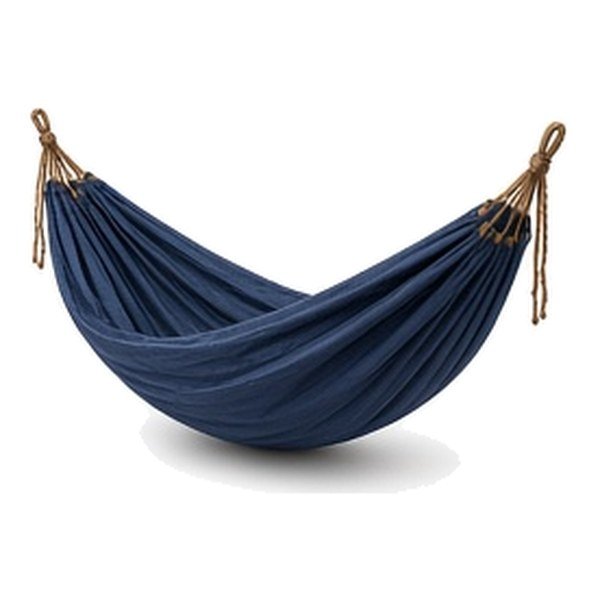
Camping Hammocks
Check the fabric denier and the weight capacity to ensure it supports your gear.
COMPARE OPTIONS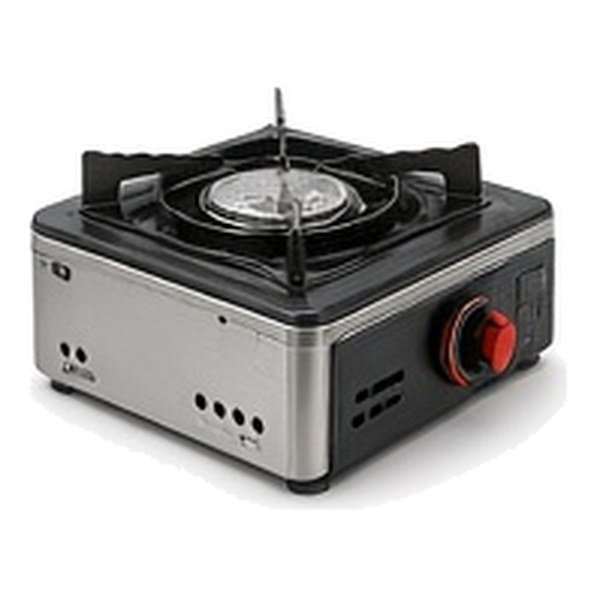
Camping Stoves
Verify the fuel compatibility and the burner output for efficient outdoor meal preparation.
COMPARE OPTIONS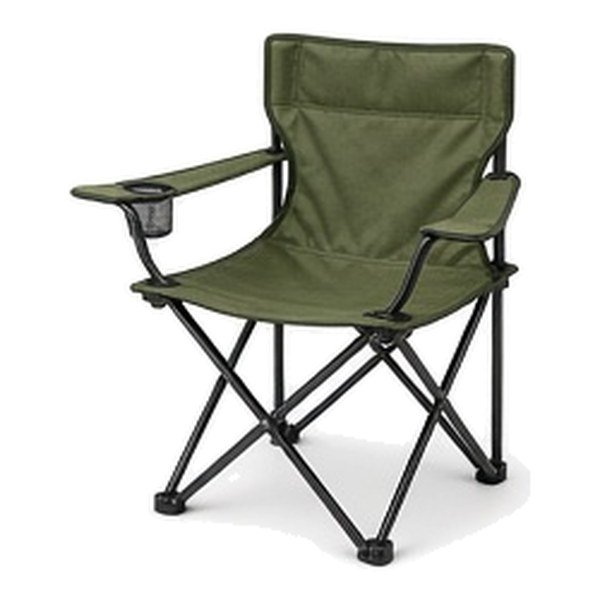
Camping Chairs
Review the frame material and the pack size to fit your storage needs.
COMPARE OPTIONS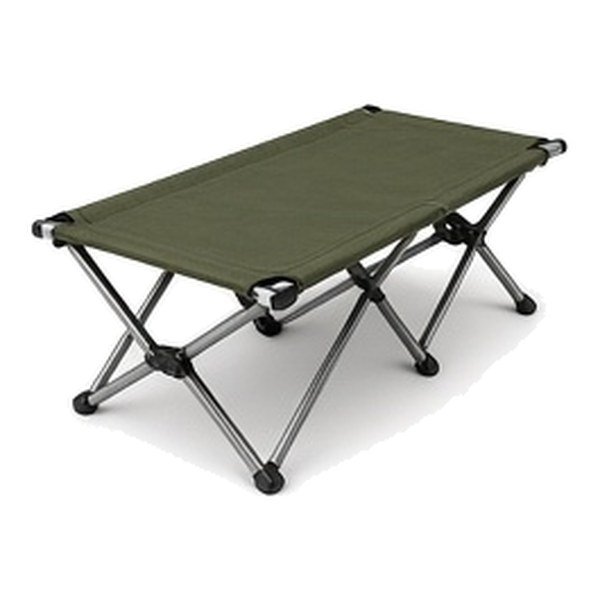
Camping Cots
Look at the leg stability and the total height to ensure a comfortable sleep.
COMPARE OPTIONS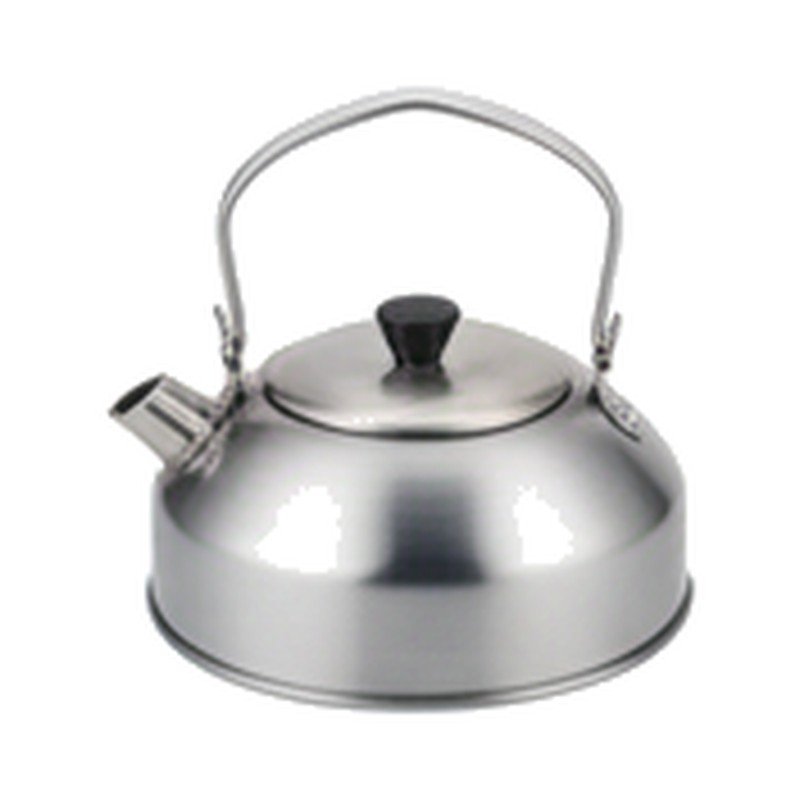
Camping Kettles
Examine the handle design and the capacity for boiling water at the camp.
COMPARE OPTIONS
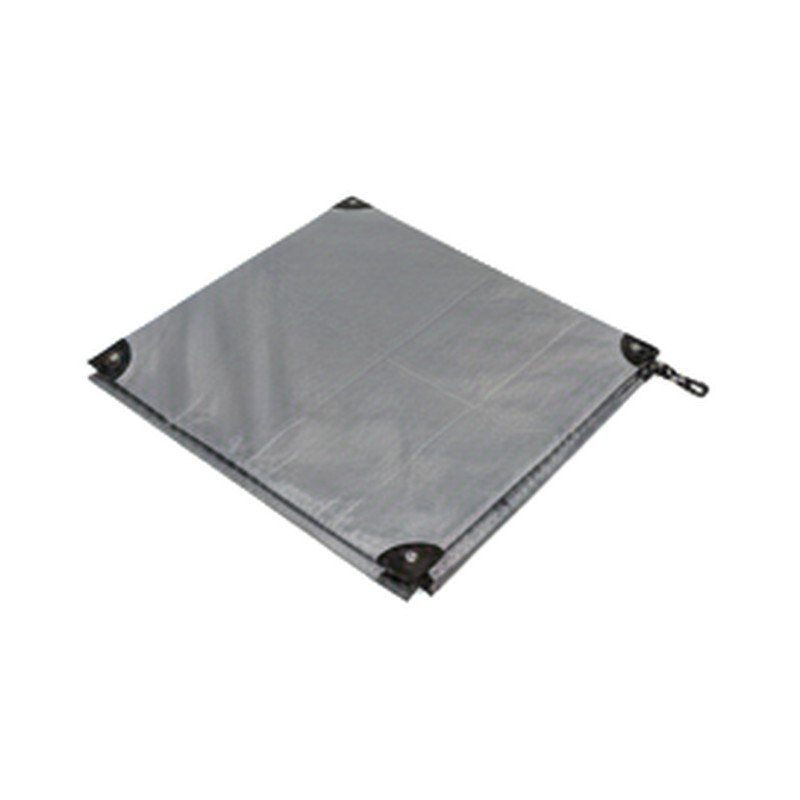
Hammock Tarps
Assess the coverage area and the number of tie out points for weather protection.
COMPARE OPTIONS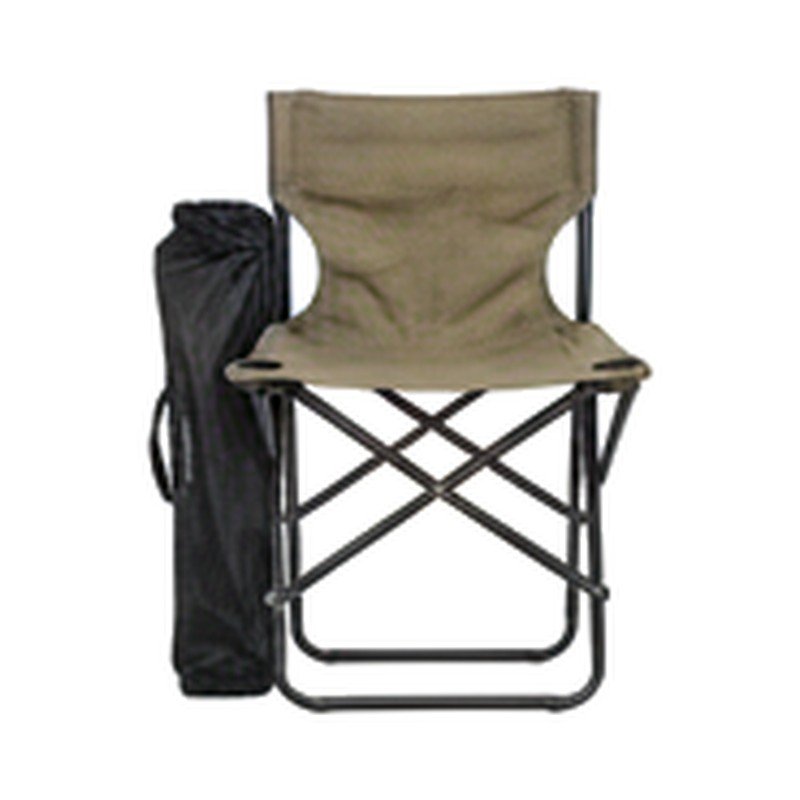
Camp Chairs
Compare the listed size, the build and what is included with these camp chairs.
COMPARE OPTIONS
Before Choosing
- Verify that both trees are healthy and strong enough to support your weight.
- Adjust your suspension straps to achieve a thirty degree sag angle.
- Secure your tarp high enough to provide shelter without blocking your view.
- Ensure your insulation is properly positioned to prevent cold spots underneath.
Questions Shoppers Ask
How High Should I Hang My Hammock?
You should aim to attach your suspension straps at about head height on the trees. This usually results in the hammock seat resting at knee height when you sit down. Adjusting the straps higher or lower allows you to fine tune this height based on the distance between the trees.
Can I Use A Hammock Without A Tarp?
You can use a hammock without a tarp in clear weather, but it is risky if rain appears. A tarp provides essential protection for your gear and keeps your sleeping area dry. It also helps retain warmth on cooler nights by blocking the wind from hitting your underside.
How Do I Keep My Back Warm?
The best way to stay warm is by using an underquilt that hangs beneath the hammock. This provides a layer of insulation that does not compress, keeping your body heat trapped. You can also use a sleeping pad inside the hammock to provide extra warmth if needed.
What Is The Best Way To Prevent Tipping?
Tipping is usually caused by an uneven suspension or sitting too far toward the edge. Always center your weight when sitting down and ensure your hammock is hung with a consistent sag. A structural ridgeline helps maintain the shape of the hammock, which improves stability significantly.
Do I Need A Bug Net?
A bug net is highly recommended if you are camping in areas with insects. It creates a comfortable space that keeps bugs away while allowing for airflow. Many modern hammocks come with integrated nets, or you can buy a separate one that fits over your existing setup.
How Do I Clean My Suspension Straps?
You can clean your straps by rinsing them with fresh water to remove dirt and grit. Avoid using harsh chemicals that might weaken the polyester fibers. Allow them to air dry completely in a shaded area before packing them away to prevent mildew from forming in your gear.