
Understanding cabin tent size helps you select the perfect structure to ensure everyone enjoys a comfortable and spacious environment during your outdoor adventures.
Read More
To choose the right cabin tent size, you must balance your total group count with the actual floor square footage. Focus on the vertical wall design to ensure standing room. Always account for gear storage and sleeping arrangements to avoid feeling cramped. Check the listing dimensions to ensure comfort for everyone.
Why Cabin Tent Size Matters For Comfort
Selecting the right cabin tent size is the most critical step in planning a successful camping trip. These structures feature vertical walls that provide significantly more interior volume than traditional dome designs. When you evaluate the floor space, consider how many people will actually sleep inside versus the total capacity rating provided by the manufacturer. A tent rated for six people often feels cramped if every occupant uses a full mattress. Choosing a larger footprint allows for better organization of gear and personal belongings. Think about the layout of your sleeping bags and cots before finalizing your choice. Vertical walls mean that the usable space extends all the way to the edges of the tent. This creates a room like atmosphere that makes changing clothes or moving around much easier throughout the day and night.
What Is The Typical Cabin Standard Size
The cabin standard size usually refers to a balance between floor area and ceiling height. Most standard models offer enough room for campers to stand up straight, which is a major advantage for those who dislike crawling through low entrances. When you look at the dimensions, focus on the length and width of the floor. A rectangular shape is common for these tents, making it simple to arrange sleeping pads in rows or clusters. Keep in mind that the cabin standard size also dictates how much wind resistance the structure offers. Because these tents have high walls, they catch more breeze than low profile designs. Always verify the stability features such as guy lines and stake points to ensure the structure remains secure in various weather conditions during your stay in the wilderness.
How To Evaluate Cabin Container Size For Transport
Many campers overlook the cabin container size when browsing for new gear. Since these tents are often larger and contain more poles than lightweight alternatives, the packed size can be quite substantial. You must ensure that the folded tent fits comfortably within your vehicle storage area alongside your other equipment. Check the listing for the dimensions of the storage bag provided with the tent. If you have a small car, a massive cabin tent might take up the entire trunk space. Some models come with wheeled bags that make moving the heavy fabric much simpler. Consider the weight of the material as well, as heavy duty canvas or thick polyester adds significant bulk. Proper storage and transport preparation prevent headaches when you arrive at your campsite and start setting up your temporary home.
How Does A Coleman Cabin Tent Size Compare
While many manufacturers produce similar designs, a typical Coleman cabin tent size is often categorized by its ease of setup and internal room dividers. These models frequently use a hub system that allows the frame to expand quickly. When you examine the dimensions of these specific tents, pay attention to the floor plan configuration. Some models feature a single large room, while others include removable dividers to create private sleeping quarters. The height of the center point is a key factor in how spacious the tent feels. Compare the floor square footage against your total group count to ensure there is enough room for everyone to move freely. A larger footprint often allows for a small vestibule area, providing a dry place to store boots and muddy gear outside the main sleeping zone.
Maximizing Space With Multi Room Designs
Multi room tents are a popular variation of the cabin style that offers enhanced privacy for families or groups of friends. By using internal curtains or fabric walls, you can separate the sleeping area from a living space. This is particularly useful during rainy days when you might spend more time inside the tent. When deciding on the size for a multi room tent, consider the total number of occupants and their need for personal space. Each section should accommodate the gear brought by the people staying in that area. Remember that internal walls can sometimes reduce the airflow between rooms, so look for tents with high quality ventilation windows. A well planned layout ensures that everyone has a comfortable spot to rest without feeling crowded by other people or their equipment.
Essential Features For Large Cabin Tents
Large cabin tents require specific structural features to remain stable and functional. Look for reinforced corners and sturdy pole attachments that can handle the stress of high walls. The material quality plays a significant role in how well the tent holds up over time. Thick fabrics are more durable but also heavier to carry. Additionally, check the listing for the number of entry points. Having multiple doors is a major benefit for large groups, as it prevents people from climbing over one another to get outside. Ventilation is another priority, as larger tents can trap heat quickly in the summer. Ensure the design includes roof vents and low level intake ports to promote constant air circulation. These small details make a massive difference in your overall comfort level while camping outdoors.
Choosing Between Instant And Traditional Frames
The frame type significantly impacts both the setup time and the overall cabin tent size. Instant tents feature pre attached poles that slide or snap into place, allowing for a very fast assembly. These are excellent for campers who want to minimize time spent on manual labor. Traditional frame tents require you to thread poles through sleeves, which takes longer but often provides a more robust structure. When comparing these, think about your typical camping environment. If you frequently move locations, an instant setup might be more convenient. If you prefer a long term base camp, a traditional frame may offer better durability. Both styles can provide the high ceilings and vertical walls that define the cabin tent experience, so choose the one that aligns with your preferred level of effort during setup.
Managing Gear In A Cabin Style Layout
The vertical wall design of cabin tents creates unique opportunities for gear organization. Because the walls do not slope inward as aggressively as dome tents, you can easily place storage shelves or hanging organizers against the sides. This helps keep the floor clear and creates more room for sleeping pads. Many cabin tents include built in pockets for small items like flashlights, keys, or books. When planning your layout, consider where you will keep your larger bags and supplies. Some models feature gear lofts that hang from the ceiling, which is a perfect way to keep items off the floor entirely. Efficient organization makes it easier to find what you need during the night. Always keep the entrance clear to ensure quick access in and out of the tent throughout your trip.
Products To Compare
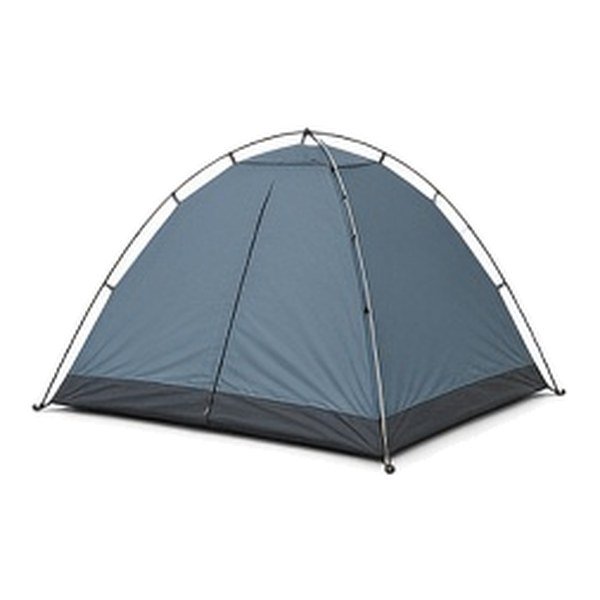
Dome Tents
Verify the pole material and the waterproof rating for weather protection.
COMPARE OPTIONS
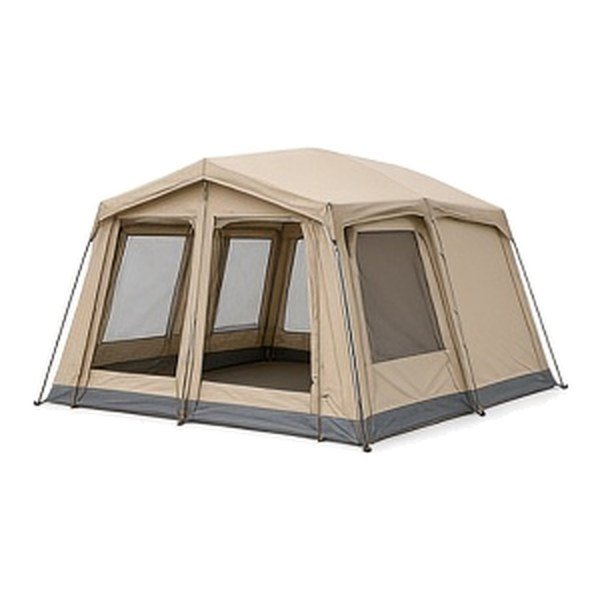
Multi Room Tents
Examine the divider attachment style and the number of separate doors.
COMPARE OPTIONS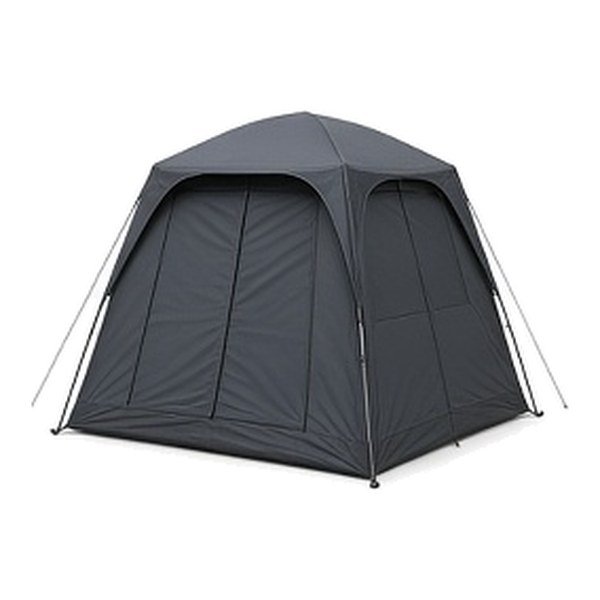
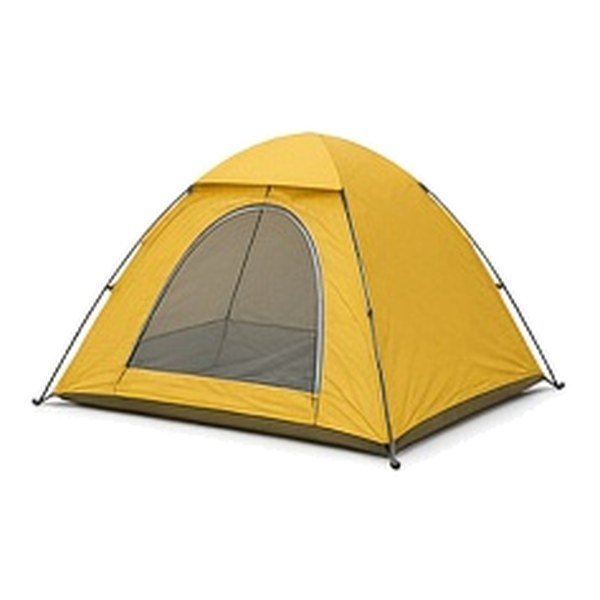
Backpacking Tents
Assess the packed length and the total weight for long distance carrying.
COMPARE OPTIONS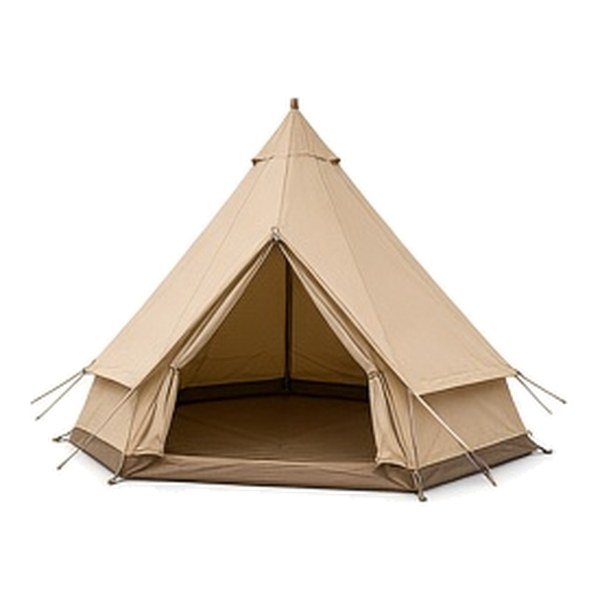
Canvas Tents
Review the fabric weight and the waterproofing treatment for long term use.
COMPARE OPTIONS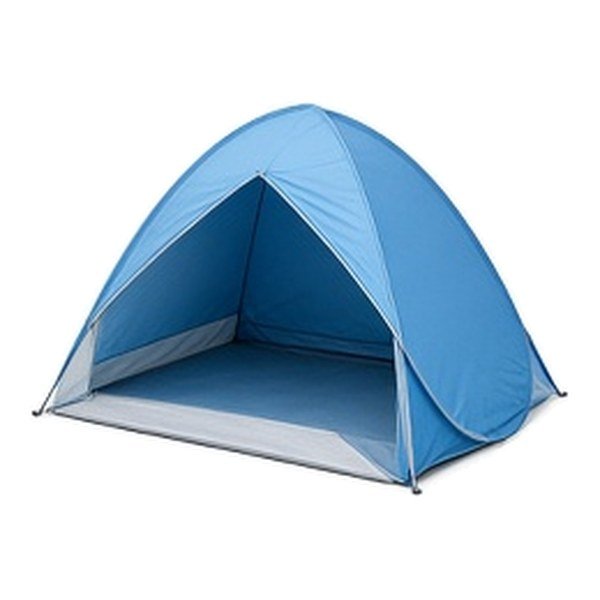
Pop Up Tents
Consider the folding method and the diameter of the circular storage bag.
COMPARE OPTIONS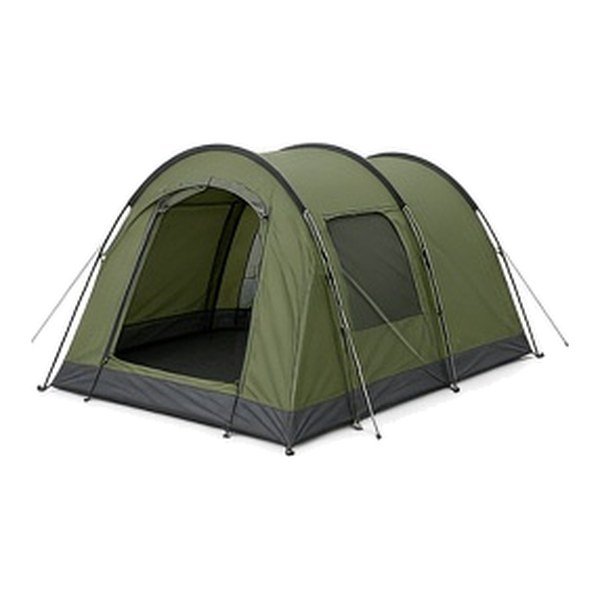
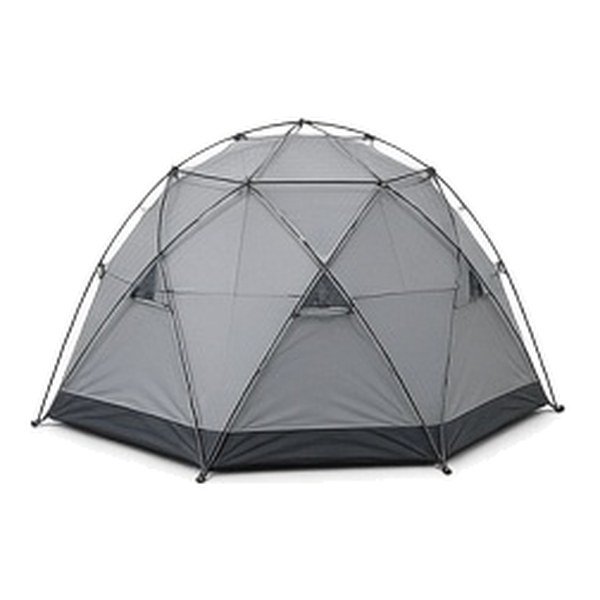
Before Choosing
- Measure your available vehicle trunk space for the packed bag.
- Verify the number of occupants against the actual floor area.
- Choose a tent with vertical walls for maximum interior volume.
- Confirm the inclusion of guy lines and stakes for stability.
Questions Shoppers Ask
How Do You Determine The Best Cabin Tent Size For Your Group?
Start by calculating the total number of people who will sleep in the tent. Add extra space for gear and movement to ensure everyone stays comfortable. A larger footprint is always better for long trips where you spend significant time inside the shelter.
What Is The Average Cabin Standard Size For Families?
Most family models provide enough room for four to eight people depending on the layout. Look for a floor area that allows for individual sleeping pads plus walking paths. High ceilings are a standard feature that makes these tents feel much larger than other types.
Does The Cabin Container Size Affect Your Travel Plans?
Yes, the packed size is often much larger than dome tents. You must ensure the tent fits in your vehicle along with your coolers and chairs. Always check the manufacturer dimensions for the folded bag to avoid transport issues.
Is A Coleman Cabin Tent Size Different From Other Brands?
Many brands follow similar sizing conventions, but specific models vary by door count and divider options. Always verify the floor dimensions provided in the listing. Comparing square footage is the most accurate way to judge the actual usable space inside the tent.
Are Larger Cabin Tents Harder To Set Up?
Larger tents often require more time and effort, especially if they use traditional pole sleeves. Instant frame designs can simplify the process significantly for large structures. Consider your physical ability and the time you want to spend on setup when choosing a model.
Can You Add More Space To A Cabin Tent?
You cannot increase the physical footprint of a tent once you purchase it. However, you can add space by using a vestibule or an attached canopy if the model supports it. Proper gear organization inside the tent also creates more usable room for everyone.