
Finding the right gear makes your first wilderness trip enjoyable and helps you understand which backpacking tents offer the best balance of weight and space.
Read More
To choose the best backpacking tent, prioritize low weight and a compact packed size. Look for a design that is easy to assemble, features a protective rainfly, and offers enough interior space for your sleep system. Always consider the weather conditions you expect to face before making your final selection.
What Are Backpacking Tents And How Do They Differ
Backpacking tents are specialized shelters designed for portability and efficiency during long treks into the backcountry. Unlike standard car camping shelters, these units prioritize low weight and compact storage to fit inside or attach to a hiking pack. They often utilize lightweight aluminum poles and high strength fabrics to maintain structural integrity against wind and rain while remaining easy to transport over rugged terrain. Beginners should look for designs that offer a balance between interior volume and total pack weight. Understanding the distinction between these shelters and general camping tents is vital because true backpacking gear must be carried on your back for several miles at a time. The materials used in construction are typically thinner to save weight, so handling them with care is essential for long term use. Focus on finding a shelter that aligns with your specific trail requirements.
How To Choose Backpacking Tent Features For Your Needs
When learning how to choose backpacking tent models, prioritize the total weight of the packed shelter. You want a design that offers enough room to sit up comfortably while keeping the footprint small enough to fit on narrow forest clearings. Consider the entry style, as side entry doors often provide easier access than front entry designs for solo travelers. Ventilation is another critical factor; look for large mesh panels or adjustable vents that allow airflow to reduce condensation buildup inside the sleeping area. Think about how many people will realistically share the space, as a two person tent provides more comfort for a solo hiker who wants to store gear inside. Check the listing for details on pole configuration and fabric thickness, ensuring the overall build matches the environmental conditions you expect to encounter during your outdoor excursions.
Which Backpacking Tent Is Best For Your First Trip
Determining which backpacking tent is best for your initial outing involves assessing your expected terrain and climate. If you plan to hike in areas with high wind, a geodesic or tunnel design offers superior stability compared to simple dome styles. Beginners often find that freestanding tents are the easiest to set up, as they do not strictly require stakes to hold their shape, allowing for quick assembly on rocky or hard ground. Evaluate the vestibule space, which acts as a protected porch for your boots and pack, keeping your interior living area clean and organized. Always look for a shelter that includes a rainfly, which provides a necessary barrier against moisture. By selecting a versatile model that balances ease of use with weather protection, you ensure a more pleasant experience while building your confidence as a new backpacker.
How To Carry A Tent While Backpacking Efficiently
Learning how to carry a tent while backpacking is a fundamental skill that prevents uneven weight distribution and improves your balance on the trail. Many hikers prefer to separate the poles from the tent body and rainfly to distribute the bulk more effectively within their pack. You can place the poles vertically along the inside of your pack frame, while the tent body and fly can be stuffed into the bottom compartment or compressed into a dedicated stuff sack. If your pack has external straps, you may secure the pole bag to the side, provided it does not snag on branches or brush. Always ensure your load remains centered to prevent strain. Taking a few minutes to organize your pack before leaving the trailhead will make your movement over uneven ground much smoother and more predictable.
Are Camping Tents Waterproof And Reliable
Many beginners ask are camping tents waterproof, and the answer lies in the specialized coatings applied to the fabric and the seam construction. Most modern shelters feature a durable water repellent finish on the exterior and a polyurethane coating on the underside of the fly. It is important to inspect the seams, as these are common areas where moisture can seep through if they are not properly sealed. While these materials are designed to shed rain effectively, proper pitching is required to ensure water runs off the fly rather than pooling on top. Always use a footprint or ground sheet underneath your shelter to provide an extra layer of protection against ground moisture and abrasion from rocks or twigs. Checking the listing for detailed information on water column ratings will help you understand the protection level of each model.
How To Set Up Backpacking Tent Structures Correctly
Knowing how to set up backpacking tent systems quickly is a valuable skill, especially if you arrive at camp during inclement weather or late in the day. Start by clearing your site of sharp debris that could compromise your floor fabric. Lay out your footprint first, then assemble your poles and connect them to the tent body according to the manufacturer instructions. Once the frame is upright, attach the rainfly securely, ensuring all tension points are taut to prevent flapping in the wind. Proper staking is crucial for stability; drive your stakes into the ground at a forty five degree angle pointing away from the tent. Spend time practicing this process at home in your yard to build muscle memory, which ensures you can set up your shelter efficiently when you are tired after a long day of hiking.
Are Camping Tents Warm Enough For Cold Nights
When considering are camping tents warm, remember that shelters are primarily designed for wind and rain protection rather than heavy insulation. A tent traps a small amount of heat generated by your body, but the thin walls offer limited thermal retention. To stay comfortable during cool nights, rely on your sleeping pad and bag to provide the necessary warmth. The main goal of the tent is to block cold drafts and prevent heat loss caused by wind chill. If you are camping in late autumn or high altitude environments, look for a shelter with fewer mesh panels, as these allow more heat to escape. Managing your internal temperature is a combination of choosing the right sleeping system and selecting a tent that provides a secure, draft free environment for your rest.
Are Camping Tents Insulated Or Breathable
The question of are camping tents insulated is common, but it is important to understand that most designs prioritize breathability to manage moisture. If a tent were fully insulated, condensation would accumulate rapidly on the interior walls, leaving your gear damp. Instead, these structures use mesh inserts and vents to move moist air out of the living area. This airflow is essential for maintaining a dry environment, even if it means the interior temperature stays close to the outside air temperature. Beginners should focus on selecting a sleeping bag rated for the lowest expected temperature of their trip rather than expecting the tent itself to provide warmth. By focusing on proper ventilation and high quality sleep systems, you will remain comfortable throughout your trip regardless of the ambient air temperature outside your shelter.
Products To Compare
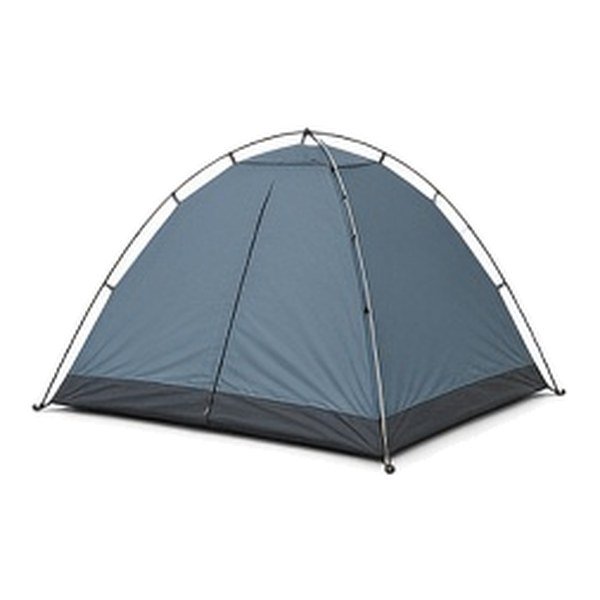
Dome Tents
Verify the pole connection type and the interior peak height for comfort.
COMPARE OPTIONS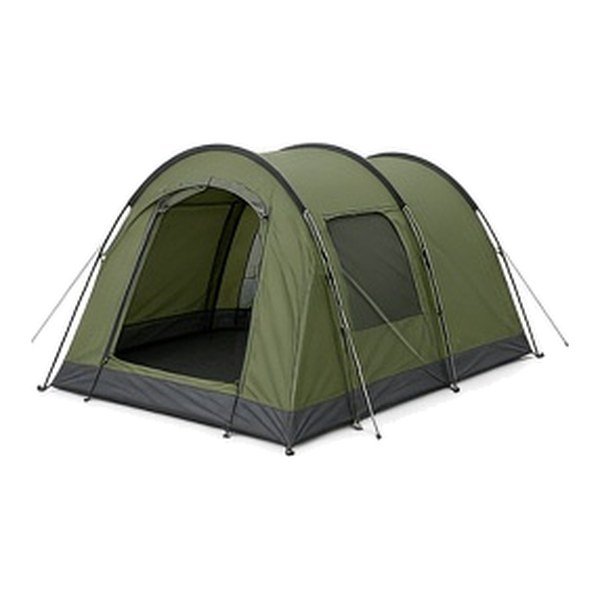
Tunnel Tents
Check the number of guy lines and the vestibule length for gear storage.
COMPARE OPTIONS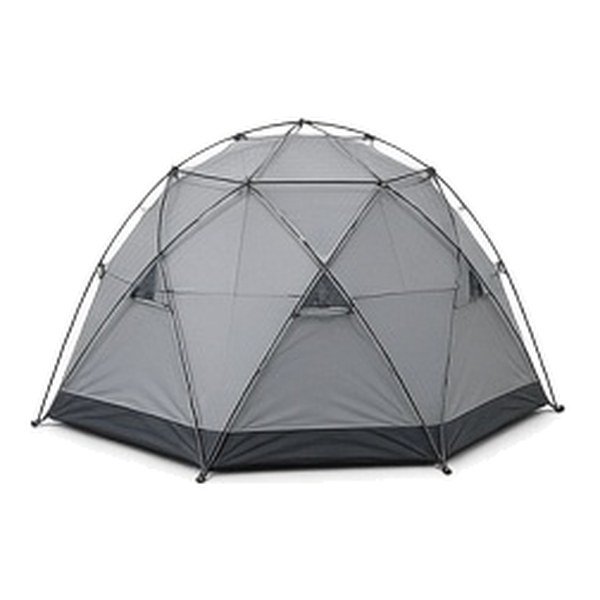
Geodesic Tents
Assess the pole intersection count and the overall fabric ripstop rating.
COMPARE OPTIONS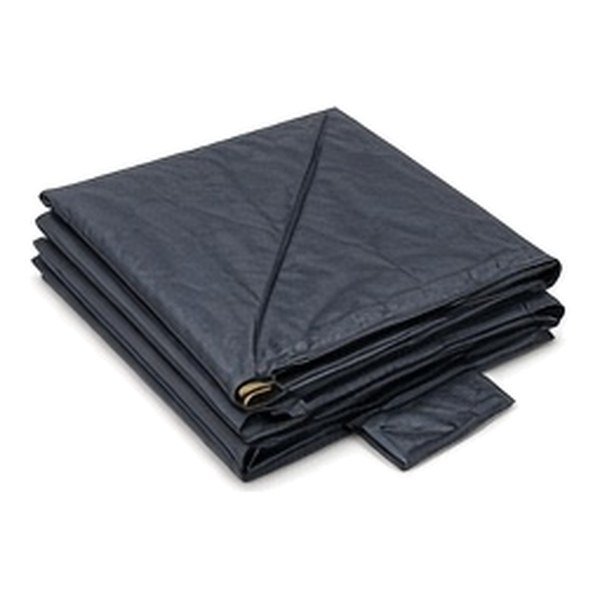
Tent Footprints
Confirm the dimensions match your tent floor and the grommet placement.
COMPARE OPTIONS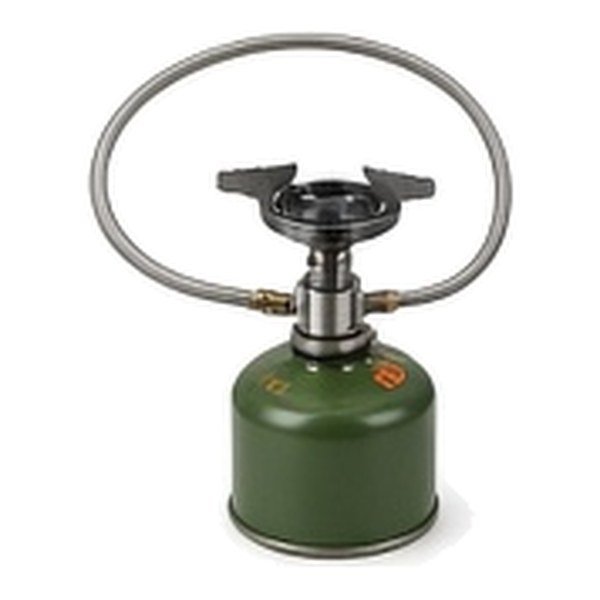
Backpacking Stoves
Examine the burner head diameter and the fuel compatibility for your region.
COMPARE OPTIONS
Before Choosing
- Verify the total weight fits your pack capacity.
- Ensure the floor area accommodates your sleeping pad.
- Check for adequate ventilation ports to reduce condensation.
- Confirm that all poles and stakes are included.
Questions Shoppers Ask
Can You Rent Camping Tents For Beginners?
Many outdoor specialty shops offer rental programs for high quality gear. This is a smart way to try different designs before committing to a purchase. Always check the listing for the condition of the equipment and ensure you understand the return timeline required by the provider.
Can You Wash Camping Tents After A Trip?
You can clean your shelter using mild soap and a soft sponge. Avoid harsh detergents or machine washing, as these can damage the waterproof coatings on the fabric. Always allow your tent to air dry completely in a shaded area before storing it to prevent mildew growth.
How Light Are Backpacking Tents Usually?
Most backpacking tents designed for one or two people weigh significantly less than standard family camping shelters. Manufacturers use lightweight poles and technical fabrics to keep the total weight manageable for hiking. Always check the listing for the packed weight to ensure it suits your endurance levels.
Can You Hire Camping Tents Instead Of Buying?
Hiring equipment is a practical approach for those just starting out. It allows you to gain experience with various tent shapes and features without a large investment. Verify the available inventory and booking requirements through your local outdoor equipment providers before your planned departure date.
What Are The Lightest Backpacking Tents Available?
The lightest models often utilize trekking poles for support instead of traditional tent poles. These designs save weight but require more practice to set up correctly. Look for minimalist shelters that prioritize essential protection while stripping away non essential features to keep your pack weight at a minimum.
What Are Good Backpacking Tents For Rainy Weather?
Good shelters for wet conditions feature full coverage rainflies and bathtub style floors that extend up the sides. Look for models with sealed seams and high quality zippers that keep moisture out. Proper site selection and using a footprint are also vital for staying dry in storms.